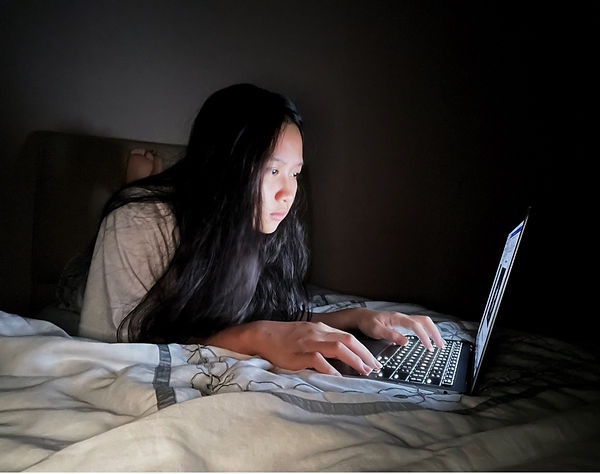
(Photo by: Muk Qi En)
Many youths are experiencing elevated stress levels due to the COVID-19 pandemic, which affects their sleep and mental health. According to the ‘How ‘Well’ Are We?’ report by PURE Group, nearly two in ten Singaporeans suffered from mental health issues during Circuit Breaker, 40% of whom attributed this to sleep-related problems.
Research by Professor Matthew Walker tells us that sleep affects our mental health in various ways: sleep helps us process emotions, to learn and store information, reduce mental fatigue and improve mood and stress levels.
Using electronic devices before bed is a persistent problem that contributes to inconsistent sleep habits. Youths need to practice good time management, especially during the pandemic where the lines between work and home are blurred.
“Practicing good sleep hygiene improves the quantity and quality of sleep,” said Marie Bernadette Thio Li Li, an Associate Psychologist at Clarity Singapore.
Ms Thio added that “if you’re getting better quality sleep, you’re likely getting better deep sleep. Deep sleep decreases our anxiety, our heart rate slows, and blood pressure drops. It restores the brain’s prefrontal mechanism that regulates our emotions, to prevent increases in our bodies levels of anxiety, subsequently improving mental well-being.”